The Morning Run That Changed Everything
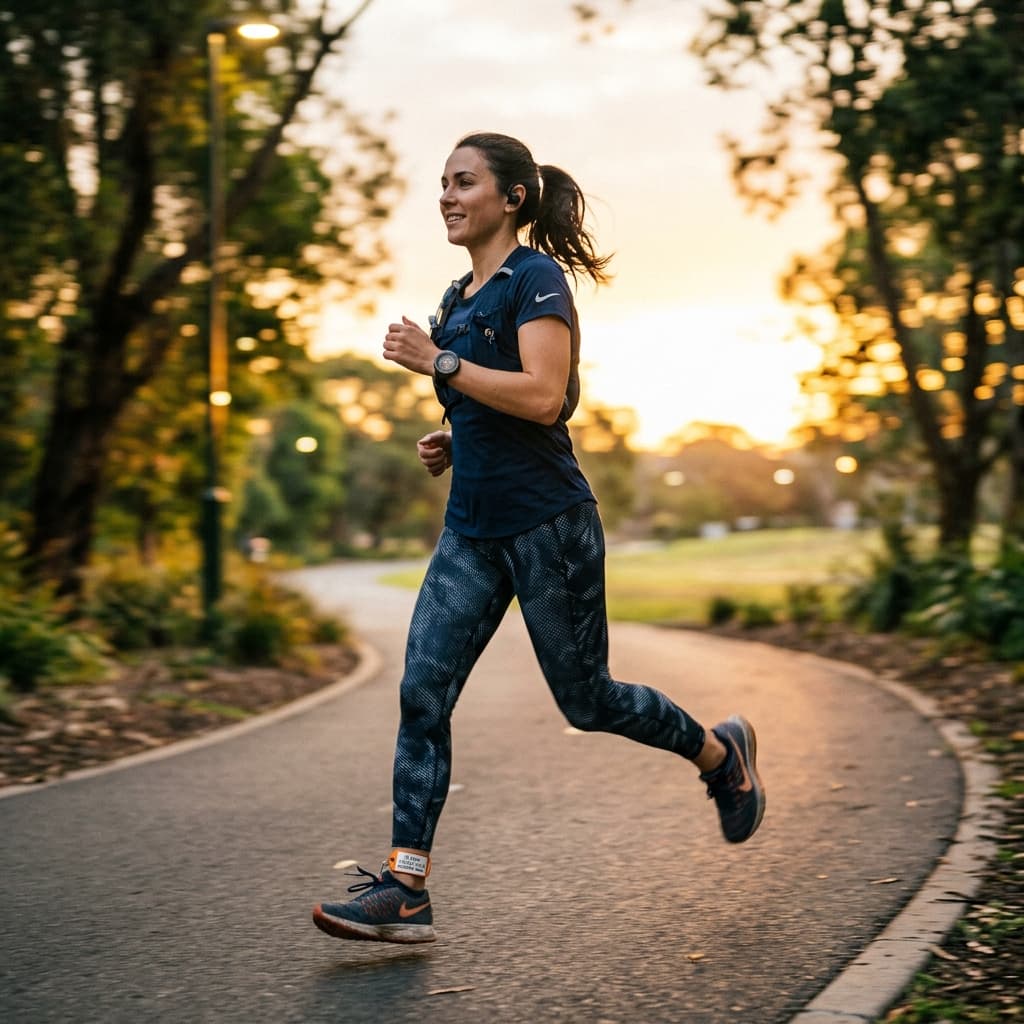
It's 6:47 AM on a Tuesday. The sun is just cresting the horizon over a city park path, and Marcus - a 38-year-old software engineer - is 4 kilometres into his morning run. He's done this loop hundreds of times. He knows every turn, every gradient, every lamppost.
Then, without warning, he collapses.
It happens in seconds. A bystander - a woman walking her dog - rushes over first. Then a cyclist stops. Within three minutes, there are six people around Marcus, phones out, uncertain what to do.
Someone calls emergency services. But now the dispatcher is asking: "Does he have any known medical conditions? Any allergies? What medications is he on?"
No one knows. His phone is locked. His pockets hold only keys and a small water bottle. He cannot speak.
Those three minutes feel like thirty. The bystanders are not incompetent - they're caring, well-meaning people who desperately want to help. They simply have no information to act on.
What those bystanders - and every first responder who arrives after - needed was a single, small piece of information: who Marcus is, what he needs, and who to call.
A QR emergency medical ID tag - worn on his wrist, clipped to his shoelace, or attached to his running belt - could have answered every one of those questions in under three seconds. No unlock screen. No app required. Just a scan.
This is not a hypothetical. Situations like this happen every day, in every city, to people of every age. And in most of them, a simple, inexpensive tool could make all the difference.
"Three minutes. Six people. Zero information. A QR emergency tag changes everything.
Why Minutes - and Seconds - Matter
Emergency medicine has a concept called the "Golden Hour" - the critical window after a traumatic event during which prompt medical treatment is most likely to prevent death. But within that hour, there are golden minutes. And within those minutes, golden seconds.
When someone collapses, has a severe allergic reaction, or is involved in an accident, the chain of response looks like this:
- Recognition - A bystander notices and responds.
- Assessment - What is wrong? What do they need?
- Action - Calling emergency services, administering first aid, giving information to responders.
- Treatment - Professional medical intervention begins.
Every gap between steps is a delay. And delays cost lives.
Consider these realities:
- Administering the wrong medication to someone with an unknown allergy or drug interaction can cause a secondary emergency within minutes.
- Not knowing a person has diabetes can cause responders to misread the cause of unconsciousness.
- Not having an emergency contact delays notifying family - and they may carry crucial medical history the patient cannot provide.
According to the American Heart Association, early CPR can double or triple a cardiac arrest victim's chance of survival. But CPR alone is not enough. Knowing the person's pacemaker status, blood thinners, or prior heart conditions shapes the next steps of care.
An emergency medical ID is not just a tag. It is a voice for someone who cannot speak in the moments that matter most.
⚠ Important
The Silent Gap in Emergency Response
Most people assume emergency responders can quickly access medical records. In reality, outside of major hospitals with integrated systems, first responders on scene often have no access to patient history - especially for tourists, travelers, or people far from their GP.
What Is an Emergency Medical ID?
An emergency medical ID is any form of identification that provides critical health and contact information to first responders or bystanders when a person is incapacitated and cannot communicate.
They come in several forms, each with distinct advantages and limitations:
Traditional Metal Medical ID Bracelets
The classic approach - an engraved bracelet or necklace displaying a person's name, condition, and emergency contact. They've been around since the 1950s and are trusted by first responders. However, they're limited to whatever can be physically engraved - typically 2–3 lines of text. They cannot be updated without buying a replacement.
Phone Lock Screen
Many people set a medical ID on their iPhone (via the Health app) or Android device. This is useful - but relies on the phone being accessible, undamaged, charged, and visible. In many accidents, phones are face-down, inside bags, or locked in a way the responder cannot navigate.
Paper Medical Cards
A laminated card carried in a wallet. Better than nothing, but easily missed in an emergency when wallets aren't the first thing a responder reaches for. Paper also offers no ability to update information remotely.
QR Emergency Tags - The Modern Standard
A small, durable tag containing a QR code that, when scanned with any smartphone camera, opens a secure digital emergency profile - no app required. The profile can contain:
- Full name and photo
- Blood group
- Allergies and current medications
- Medical conditions
- Emergency contacts (multiple)
- GP / doctor information
- Insurance details
- Personal notes for responders
Crucially, this information can be updated remotely at any time - a new medication, a change of address, a new allergy. The tag itself never needs to be replaced.
"A QR emergency tag gives first responders unlimited, instantly accessible information - in the time it takes to open a camera app.
What Information Should Your Emergency Medical ID Include?
Building an effective emergency profile is about balance - enough information to enable immediate, informed care, without overwhelming a responder in a high-stress situation.
Here's what to include, in order of priority:
1. Emergency Contacts
Include at least two - a primary (spouse, parent, or close family) and a secondary (friend or colleague). Include their relationship and phone number. This is often the first thing a good Samaritan or dispatcher will ask for.
2. Blood Group
Critical in trauma situations. If you don't know your blood group, it's worth finding out - your GP can run a simple test.
3. Allergies
Include medication allergies (especially penicillin, aspirin, sulfa drugs), food allergies that could cause anaphylaxis (peanuts, shellfish), and environmental allergies of clinical relevance (latex, for example, is crucial for medical staff to know).
4. Current Medications
List all regular medications with dosages. This helps first responders avoid dangerous drug interactions when administering emergency treatment and helps doctors understand your baseline health.
5. Medical Conditions
Diabetes, epilepsy, heart conditions, asthma, haemophilia, organ transplants - any condition that materially affects how your body should be treated in an emergency.
6. Doctor / GP Information
Name and phone number. In non-emergency situations, this allows a carer or bystander to quickly get authoritative medical history.
7. Optional: Insurance Information
Particularly useful for travellers - policy number and insurer contact can speed up hospital admission and treatment authorisation internationally.
8. A Personal Note to Responders
A brief, calm note thanking the responder and confirming what they can do: "Please call my wife Sarah (contact above). I have epilepsy - this is likely a post-ictal state. I do not require hospitalisation unless there is a second seizure within 30 minutes."
💡 Tip
Keep It Current
Set a reminder every 6 months to review your emergency profile. Medications change. Conditions evolve. Emergency contacts move. An outdated profile is better than none - but a current one could save your life.
Who Should Carry an Emergency Medical ID?
The short answer: everyone. But some individuals benefit most urgently.
Runners and Cyclists
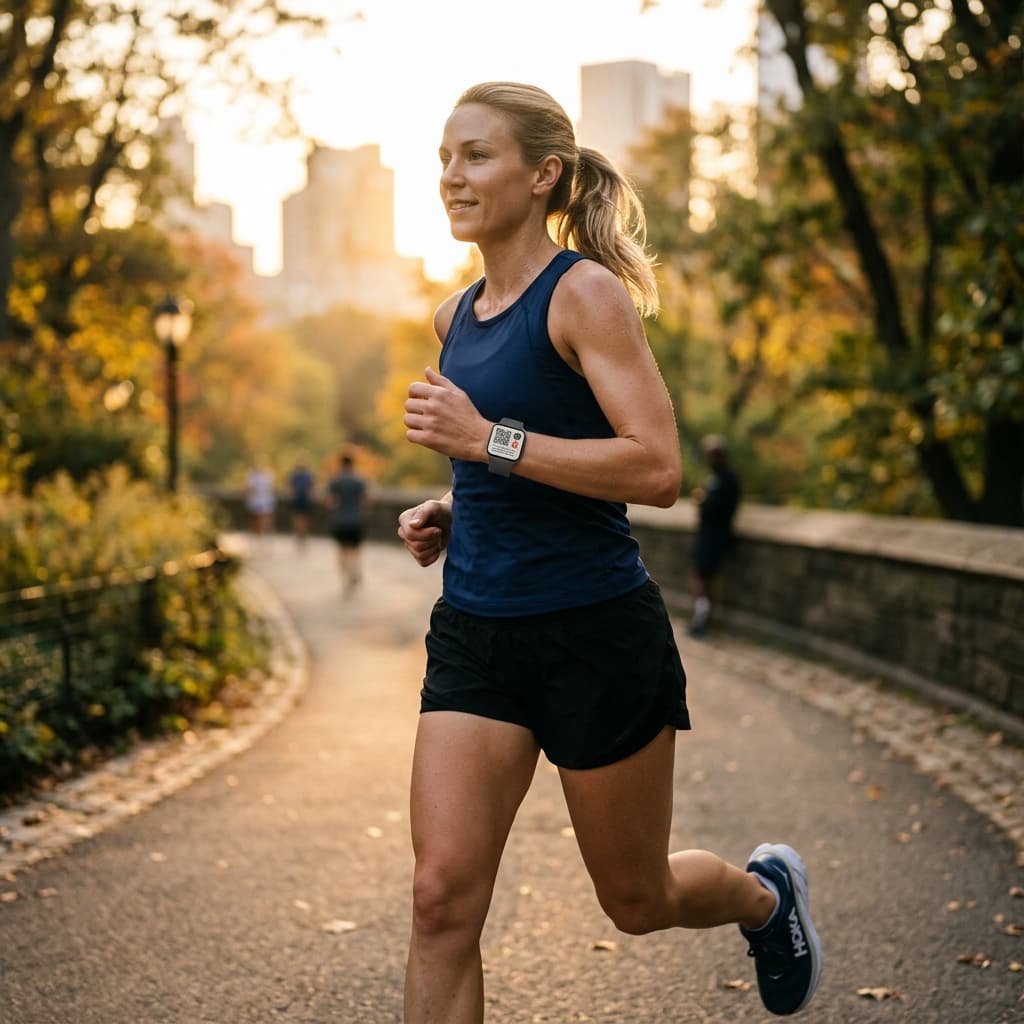
Outdoor athletes are especially vulnerable. They're often alone, in motion, far from home, and without a full wallet or ID. A shoe tag, bracelet, or clip-on belt tag is the most practical solution.
Senior Citizens
Falls, cardiac events, and medical confusion are more common with age. An always-worn ID - wristband or pendant - is especially important for those who live independently or may not always carry a phone.
Children
Children cannot reliably communicate medical history under stress. A tag on a child's backpack, school bag, or wristband ensures that teachers, coaches, or strangers can quickly access their parent's contact and any medical needs (severe allergies, for example).
People with Chronic Conditions
Diabetes, epilepsy, asthma, anaphylactic allergies, heart disease, haemophilia - any condition that can cause sudden incapacitation or that materially affects emergency treatment.
Frequent Travellers
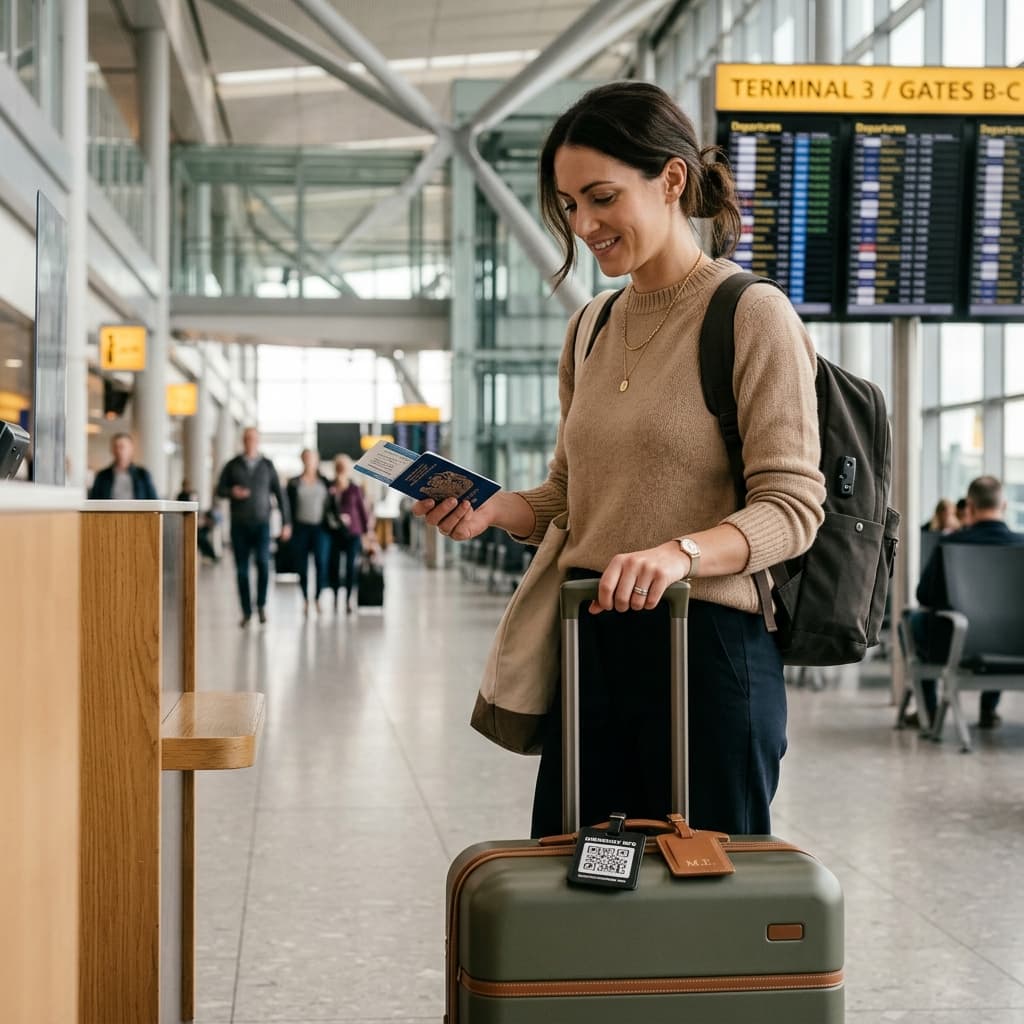
In a foreign country, language barriers and unfamiliar healthcare systems make an internationally scannable QR tag particularly valuable. No translation needed. A local responder simply scans and sees the information.
Parents and Caregivers
Those responsible for others should ensure everyone in their care - children, elderly parents, dependents - carries appropriate identification.
Pet Owners
Pets can become separated or injured. A QR tag on a pet's collar with owner contact details and the pet's vaccination and medical history is the modern alternative to the traditional engraved tag.
Everyone Else
Accidents don't discriminate. A healthy 28-year-old cyclist can be hit by a car. A non-diabetic person can have a hypoglycaemic episode. A person with no known allergies may discover one when given emergency medication. The only group who doesn't benefit from an emergency medical ID is the group who never has an emergency - and no one knows who that is until it happens.
"The only group who doesn't benefit from an emergency ID is the group who never has an emergency. No one knows who that is.
Recommended
Get Your LifeTag Today
The smart emergency ID designed for everyday life. Waterproof, durable, and always ready.
Common Myths - and the Truth
Despite the clear benefits, many people delay getting an emergency medical ID. Here's what we hear most often - and why it's worth reconsidering.
"I already have my phone with me."
Your phone is locked. Your phone may be out of reach in a bag. Your phone may be shattered in an accident. Your phone requires a responder to know they should look at your lock screen Health app - many don't. A physical tag is always visible, always accessible, no battery required.
"It won't happen to me."
This is the most human response, and also the most dangerous. Emergencies are, by definition, unplanned. Marcus from our opening story didn't plan to collapse on Tuesday morning. No one does. Preparedness is precisely for the people who think they don't need it.
"Doctors will figure it out."
They will - eventually. But "eventually" may mean blood tests, guesswork, and delayed treatment while they work with incomplete information. Every minute matters. A good medical ID eliminates the diagnostic delay.
"I don't have any medical conditions."
Medical conditions are only one part of an emergency profile. Your blood type, emergency contacts, and allergies are equally important - regardless of your current health status.
"It looks medical and I don't want to stand out."
Modern QR emergency tags are designed to be discreet, stylish, and minimal. The LifeTag range includes options that look like premium accessories - not hospital property. You don't have to choose between safety and style.
ℹ Note
First Responder Awareness
Emergency medical professionals are trained to look for medical IDs on wrists, ankles, and around the neck. A QR tag in a visible location on the body or worn as jewellery is far more likely to be found and scanned than a card buried in a wallet.
Frequently Asked Questions
Here are the questions we hear most often about emergency medical IDs.
Final Thoughts: Preparedness Isn't Fear - It's Responsibility
There's a quiet courage in preparedness. It's not about imagining the worst - it's about caring enough about the people around you to make their job easier if they ever have to help you.
Think about the bystanders who surrounded Marcus in the park. They wanted to help. They were ready to act. What they needed - what would have let them act well - was information.
An emergency medical ID doesn't change what happens to you. It changes what happens for you.
It gives the good Samaritan a voice to speak for you. It gives the paramedic a head start. It gives your family the call they need - not an hour later, but in minutes.
At LifeTag, we designed every product around one belief: being prepared is one of the most loving things you can do for the people who depend on you.
You don't need a medical condition to benefit from an emergency ID. You just need to be human - and to care about what happens when the unexpected does.
Get yours today. Not for you. For the people around you who will want to help, and who will finally have the tools to do it.
"Preparedness isn't about fear. It's about caring enough about the people around you to make their job easier if they ever have to help you.